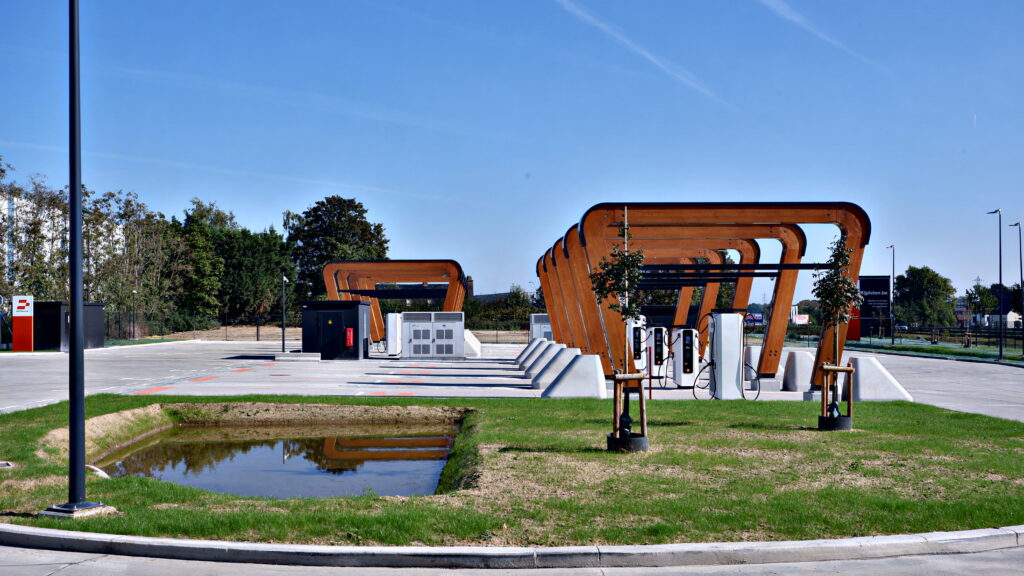
- The new charging hub in Temse is Milence’s fifth location in Belgium, strengthening electric freight transport along the North Sea–Mediterranean TEN-T corridor.
- As part of the European MACBETH project, the hub contributes to the further development and real-world testing of Megawatt Charging System (MCS) technology.
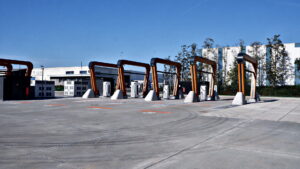
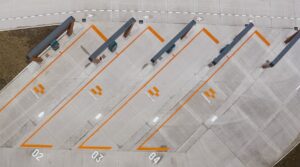
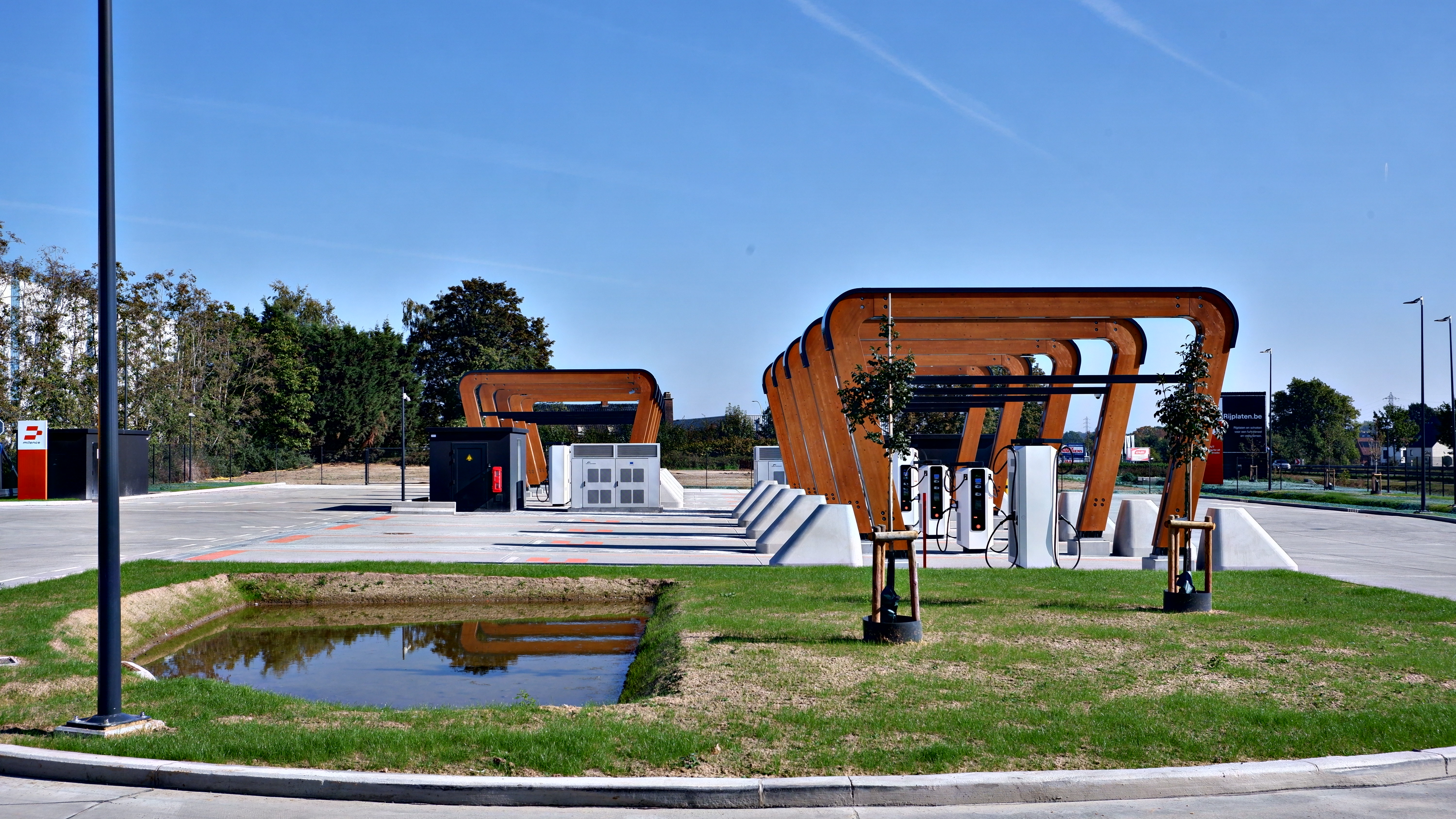
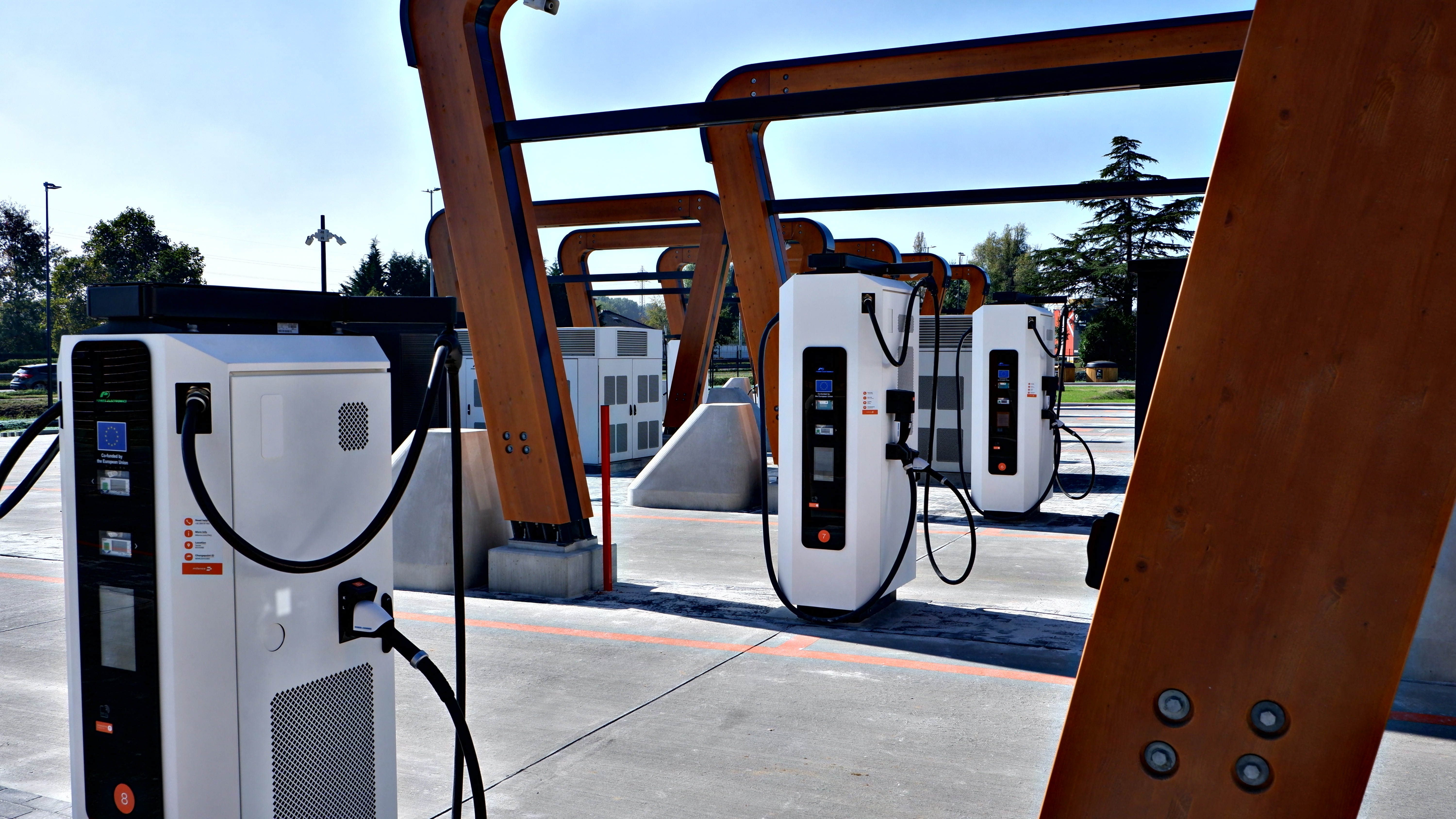
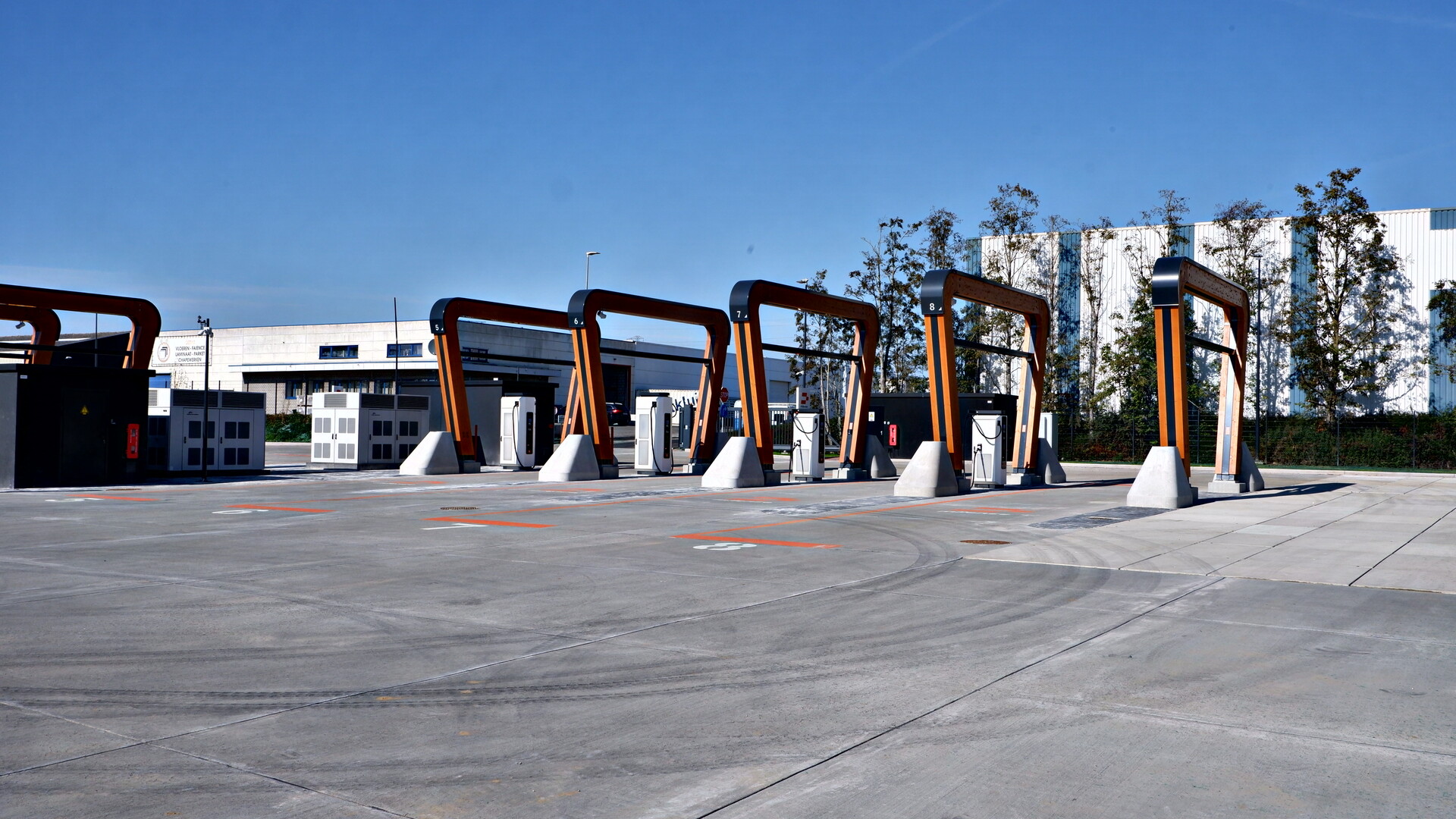
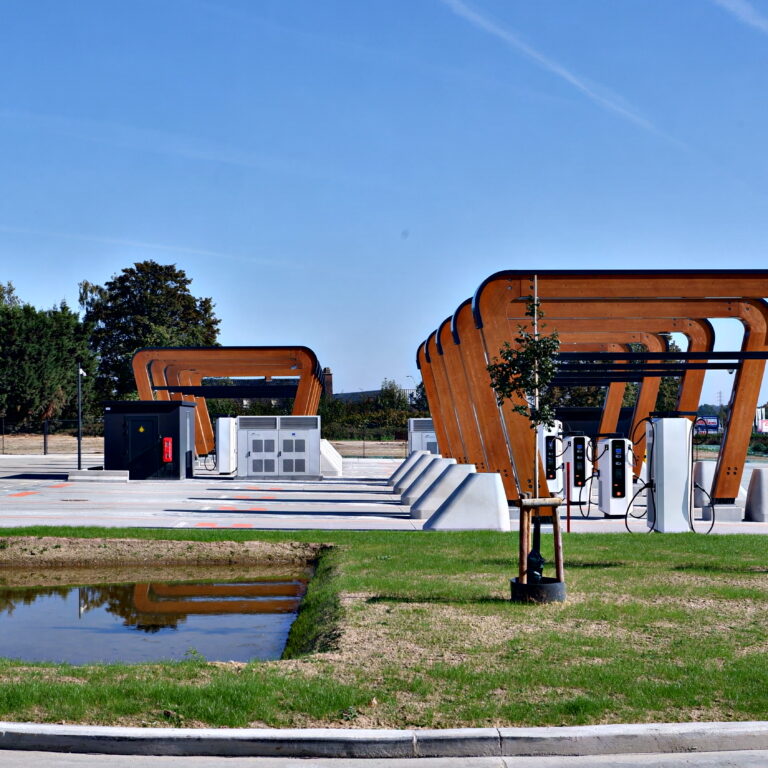
Amsterdam, the Netherlands – 22 October 2026 – Milence is further expanding its European charging network with the official opening of a new charging hub in Temse, Belgium. The location marks Milence’s fifth charging hub in Belgium and represents an important link along the North Sea–Mediterranean TEN-T corridor. With eight charging bays, including charging points equipped with Megawatt Charging System (MCS) technology, the new hub supports the continued electrification of heavy-duty road transport and makes electric freight transport increasingly accessible along key European logistics routes.
Strategically located between Antwerp and Ghent, the charging hub connects two of Belgium’s most important port and logistics regions with international transport routes towards France and Southern Europe. Temse therefore contributes to Milence’s corridor-first strategy, which prioritises the deployment of reliable public charging infrastructure along Europe’s main freight corridors. By developing charging facilities in locations with high volumes of freight traffic, Milence helps transport operators transition to electric transport, including for long-distance operations.
An important step in the development of megawatt charging
The new charging hub in Temse is part of the European MACBETH project, an initiative aimed at accelerating the development and deployment of Megawatt Charging System (MCS) technology for heavy-duty electric trucks. Through this project, various industry partners are working together to address the technical, social and economic challenges associated with the large-scale deployment of megawatt charging.
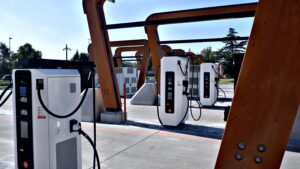
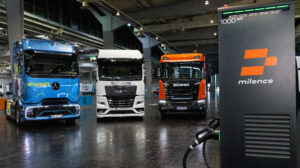
MCS plays an important role in the further decarbonisation of European road transport. The technology enables electric trucks to charge at significantly higher power levels than conventional CCS charging technology. This can substantially reduce charging times and allow drivers to better align charging sessions with their mandatory rest breaks. As a result, electric trucks can be operated more efficiently, making long-distance electric freight transport a more attractive option for logistics companies.
Collaboration as the key to zero-emission freight transport
The transition to zero-emission long-distance transport requires more than the availability of electric trucks alone. Reliable charging infrastructure, technological innovation and close collaboration between different stakeholders across the logistics sector are equally essential.
Through its participation in the MACBETH project, Milence underlines the importance of collaboration in accelerating the development of new charging technologies. By testing MCS in real-world conditions and sharing insights with industry partners, Milence helps advance the technology and enable its deployment on a larger scale.
“The opening of our fifth charging hub in Belgium marks another step in the development of a reliable European charging network for electric trucks. With Temse, we are not only strengthening an important logistics connection between Antwerp, Ghent and the rest of Europe, but also actively contributing to the further development of megawatt charging,” says Lars Minekus, Regional Manager Nordics, Benelux & UK at Milence.
A future-proof charging location designed around drivers
Alongside the deployment of innovative charging technology, the driver experience remains a key priority at the new Temse charging hub. The site features eight charging bays, four of which are equipped with hybrid MCS/CCS chargers delivering up to 1,500 kW, while the remaining four bays are served by CCS chargers offering up to 400 kW. This combination enables the hub to serve both the current generation of electric trucks and vehicles equipped with the latest MCS technology.
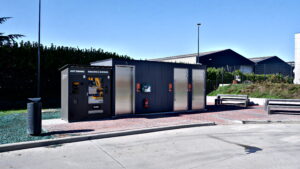
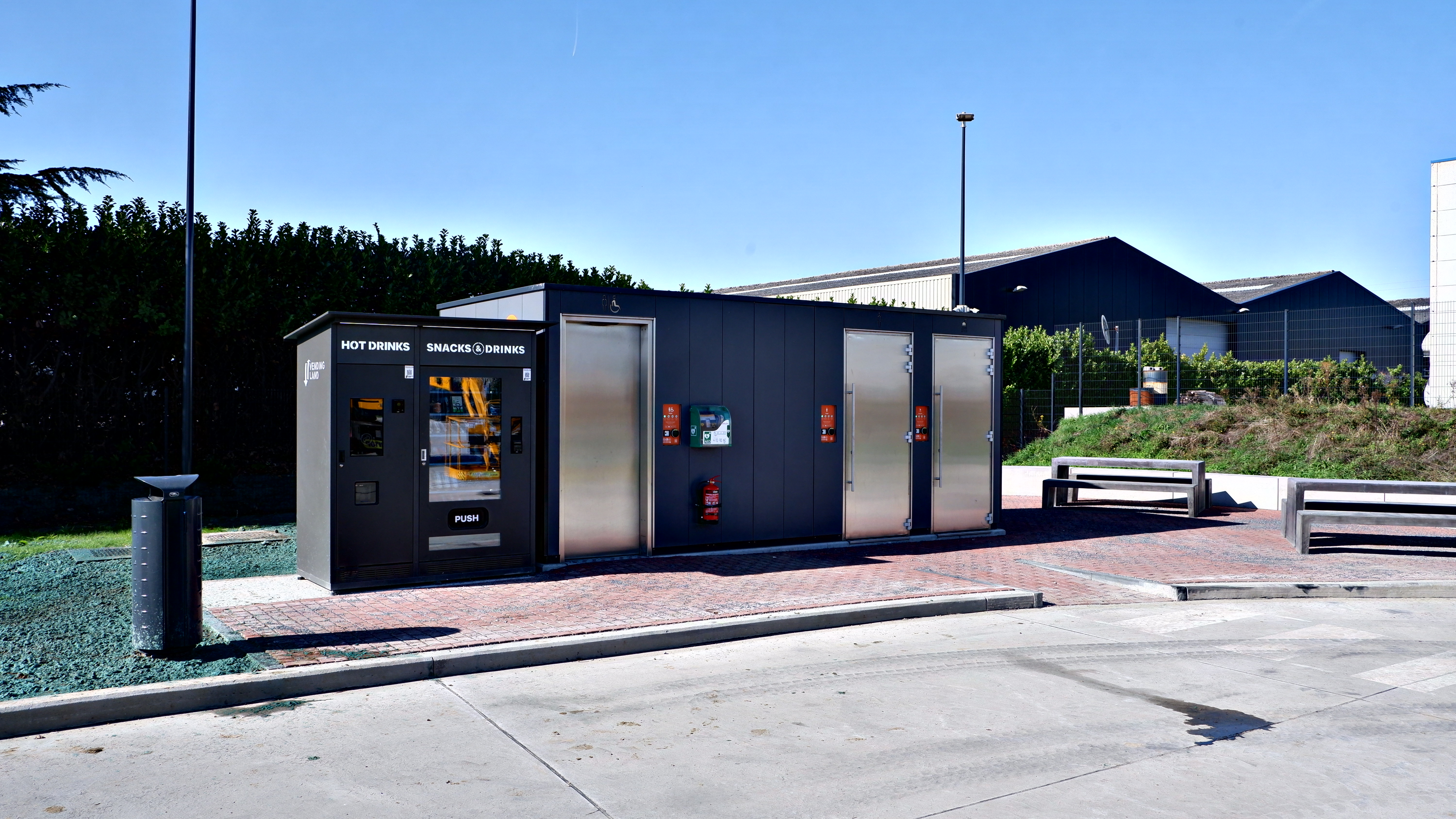
During charging sessions, drivers can make use of a range of facilities, including toilets, showers, coffee, vending machines and outdoor seating. In this way, Milence combines high-power charging infrastructure with a comfortable place for drivers to take a break and prepare for the next stage of their journey.
Making electric freight transport economically viable
Beyond technological innovation, competitive and transparent pricing is essential to making electric freight transport economically viable. In Belgium, charging tariffs start at €0.379/kWh (excluding VAT) for ad hoc charging, with the same tariff applying to both CCS and MCS charging. Customers can also benefit from tailored volume-based agreements, which can further strengthen their business case as they scale their zero-emission operations.
Further updates on the MACBETH project are expected in early 2027, providing more insights into the progress of real-world MCS testing and the next steps towards the large-scale deployment of megawatt charging technology for heavy-duty electric transport.
About MACBETH – Disclaimer
Co-funded by the European Union under Grant Agreement No. 101192466. Views and opinions expressed are, however, those of the author(s) only and do not necessarily reflect those of the European Union or CINEA. Neither the European Union nor the granting authority can be held responsible for them.