- Electric heavy-duty truck adoption is accelerating in leading European markets, moving beyond the pilot phase into early scale deployment
- Strong policy frameworks, incentives, and charging infrastructure are driving uptake but progress remains uneven across Member States
- The recent energy crisis has exposed the structural risks of Europe’s reliance on imported fossil fuels
- The white paper identifies key policy measures to unlock mass-market adoption and avoid a fragmented European transition
Amsterdam, Netherlands – March 31, 2026 – The transition to electric heavy-duty vehicles (eHDVs) is gaining momentum across Europe, but uneven policy implementation and market conditions risk slowing the path to large-scale adoption. In a new white paper released today, Milence provides a comprehensive assessment of market readiness and outlines the actions needed to accelerate the shift to zero-emission road freight.
The recent energy crisis has exposed the structural risks of Europe’s reliance on imported fossil fuels, with volatility in oil and gas prices increasing operating costs for trucks by 9–11 cents per kilometre and adding uncertainty for fleet operators. Electrification offers a clear pathway forward. Beyond cost, electrifying road transport can strengthen Europe’s energy security and support more resilient supply chains. However, capturing these benefits now requires urgent scaling of both vehicles and charging infrastructure.
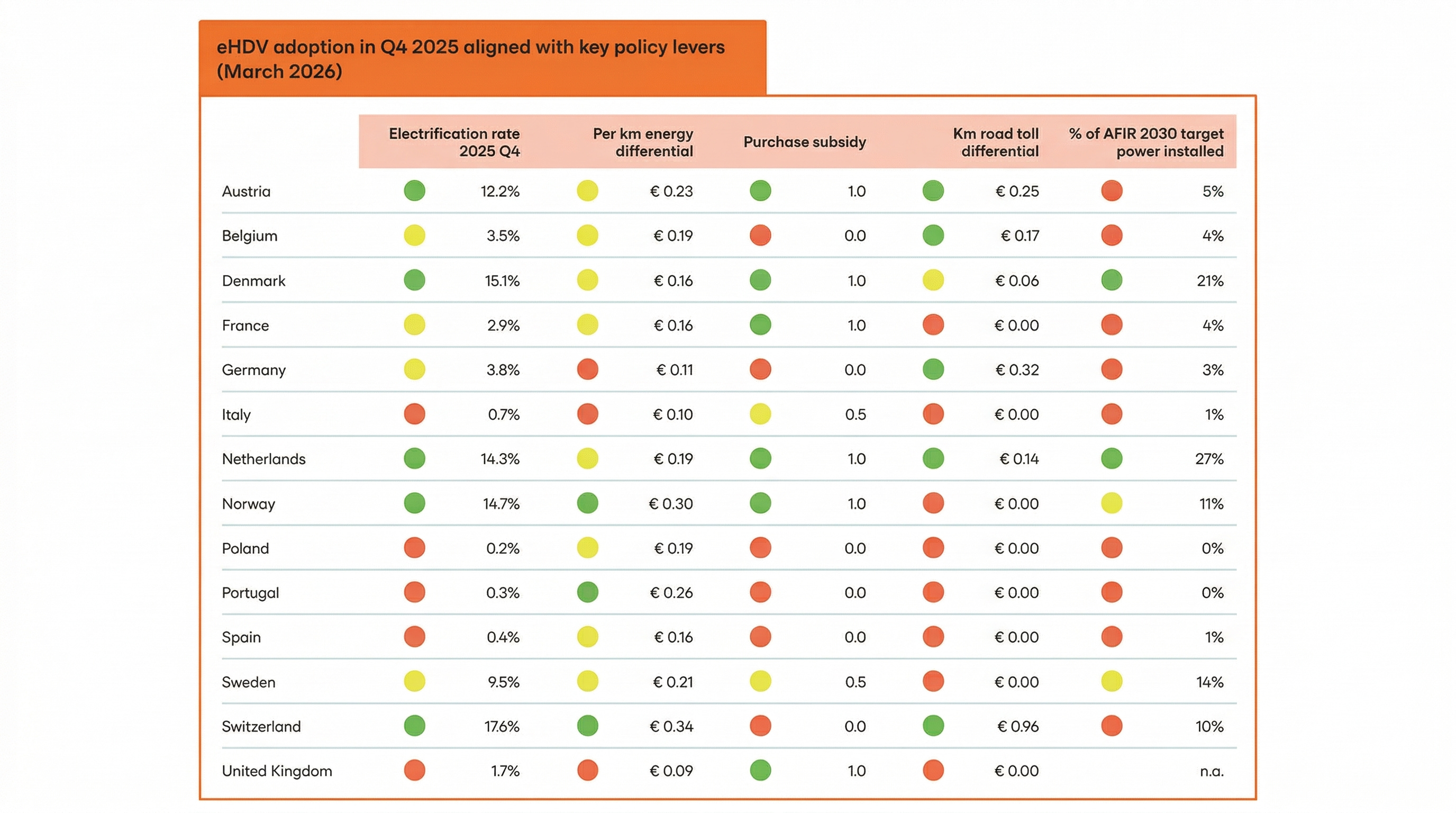
The white paper, “Bridging the gap: market readiness and barriers in Europe’s transition to electric heavy-duty transport”, analyses 14 European countries and evaluates the key factors shaping the uptake of electric trucks. It shows that while a group of frontrunner countries such as Switzerland, Denmark and the Netherlands have already moved beyond the pilot phase, many others remain at an early stage of the transition.

Early market momentum, but not yet at scale
The analysis confirms that electric trucks are increasingly being deployed in real operations, with early adopters demonstrating reliable performance and economic viability across a growing range of use cases.
However, the European market has not yet reached a self-reinforcing dynamic where vehicle uptake, infrastructure expansion, and cost reductions accelerate each other. Instead, adoption remains uneven, with clear differences emerging between national markets.
Policy frameworks determine market outcomes
The paper highlights that market success is closely linked to the presence of coherent and well-designed policy frameworks, combining multiple complementary measures rather than relying on a single lever.
Key enablers include:
- Favourable energy price structures, where electricity costs, shaped by taxes, grid tariffs and charges can be competitive with diesel
- CO₂-differentiated road tolling, providing strong and immediate operational cost advantages
- Long-term purchase subsidies and financing support to address higher upfront investment costs
- The availability of reliable, truck-suitable charging infrastructure along key freight corridors
In addition, emerging mechanisms such as tradable renewable energy certificates under the Renewable Energy Directive (RED III) can further strengthen the business case for electric trucks, although their implementation and value currently vary across Member States.
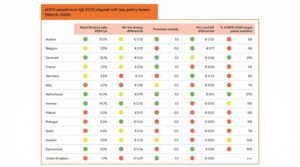
The analysis shows that countries combining these elements are already seeing stronger market uptake, while those lacking a consistent policy mix continue to lag behind.
Charging infrastructure expanding, but some gaps remain
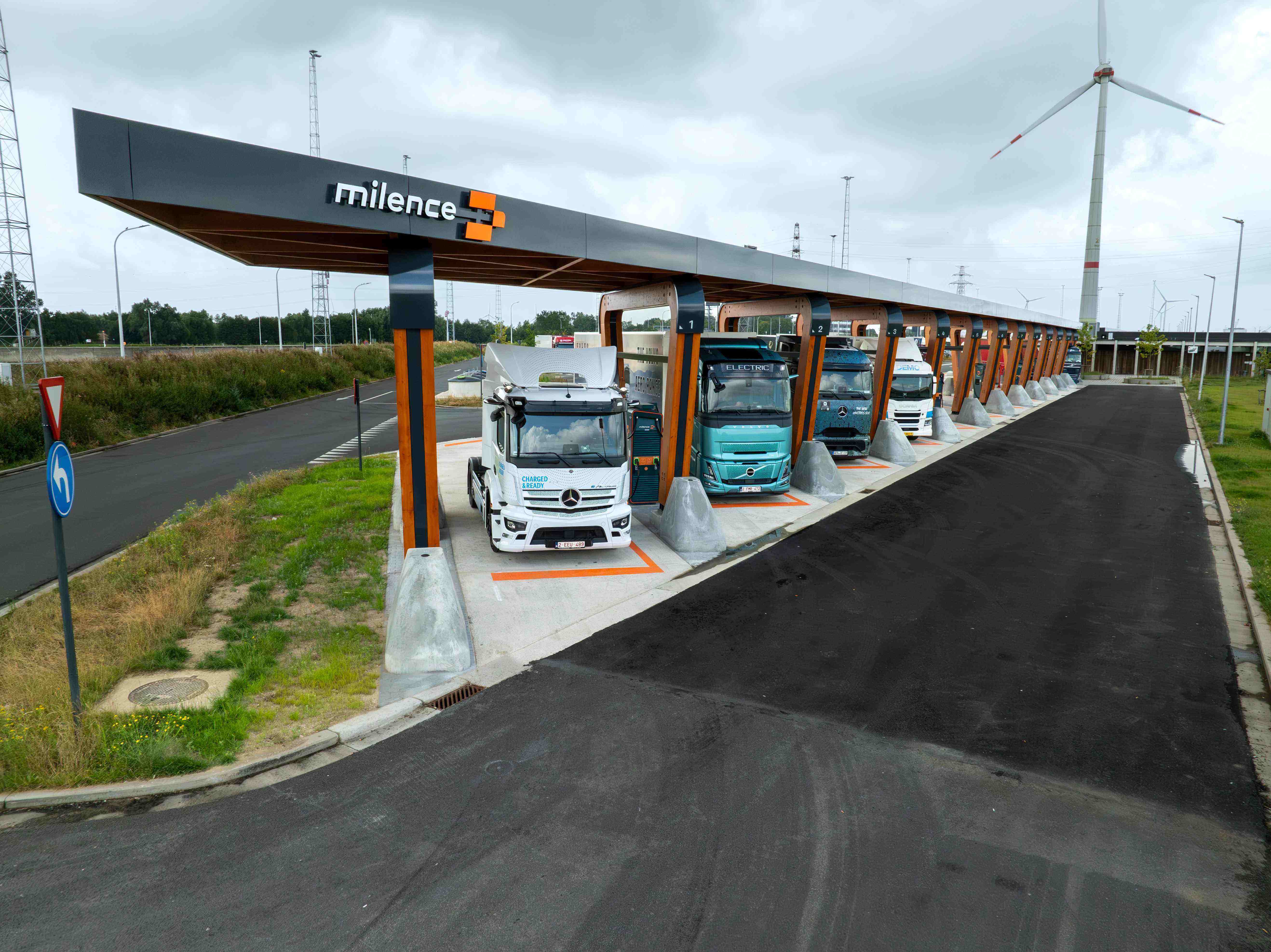
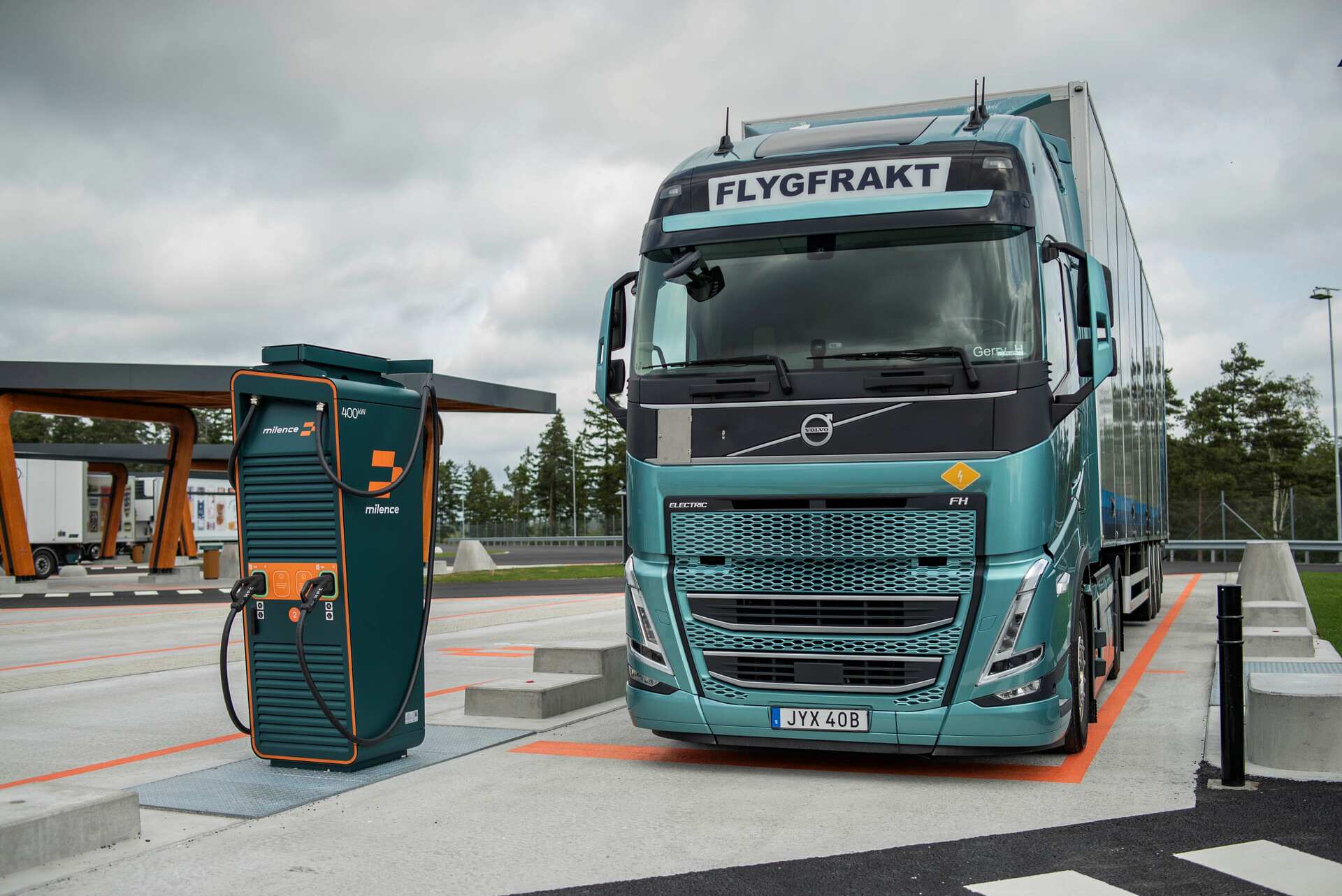
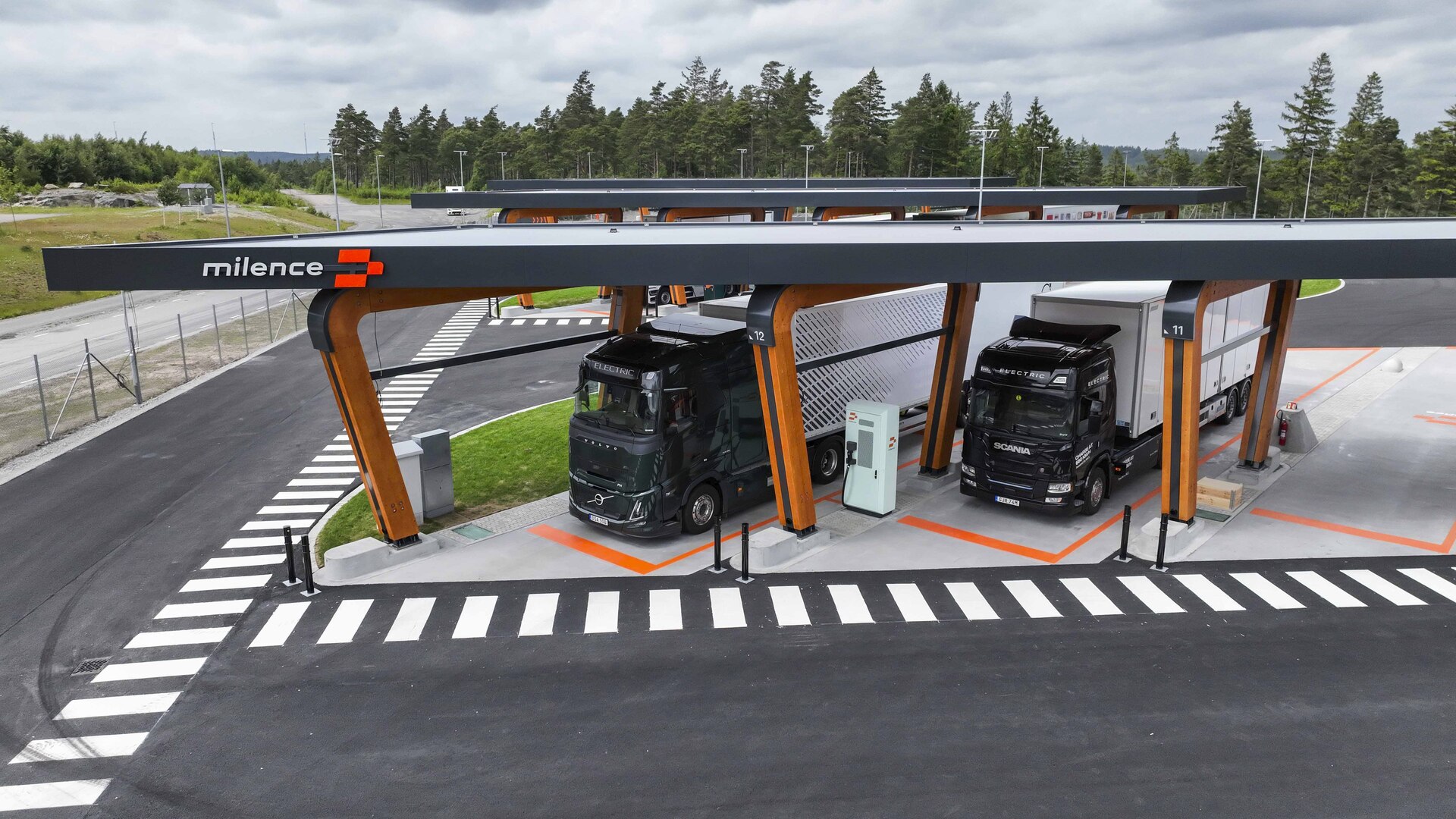
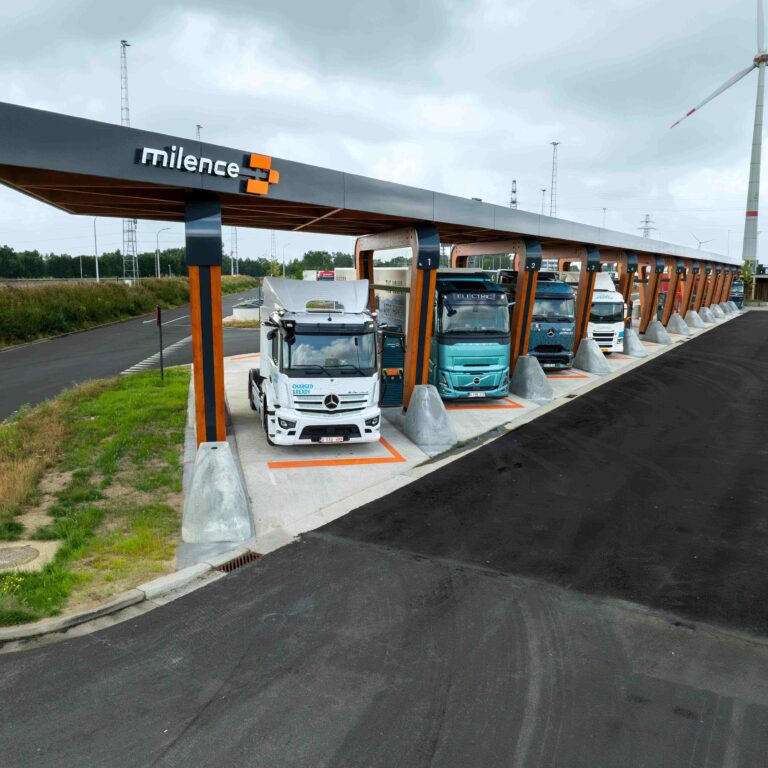
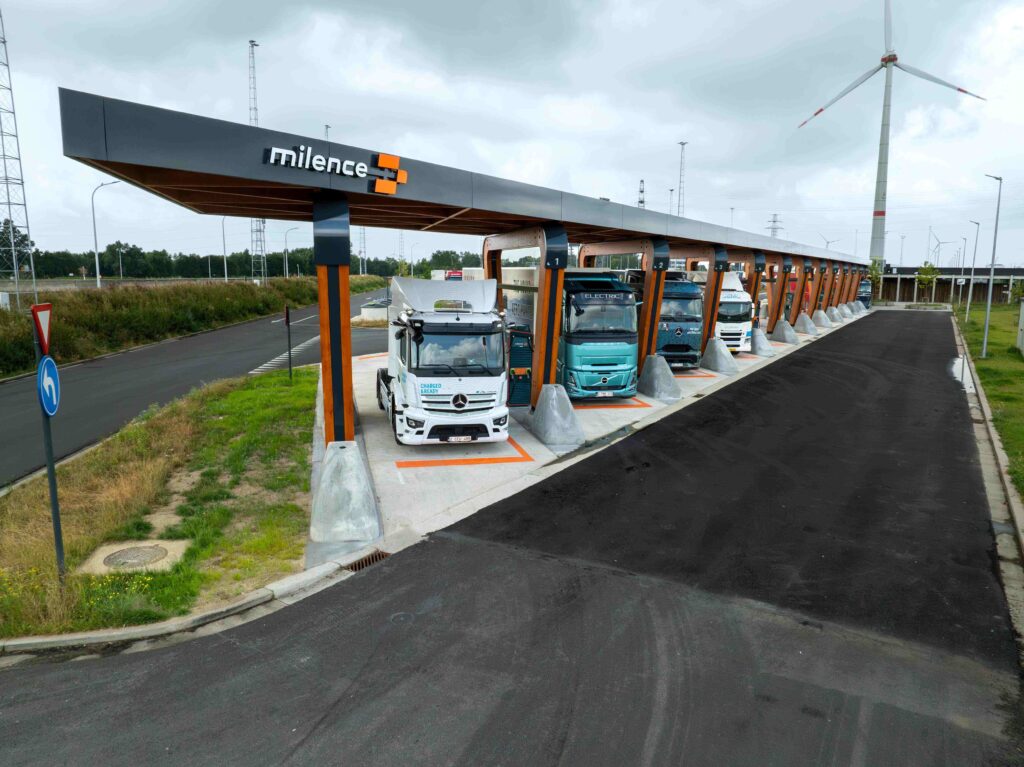
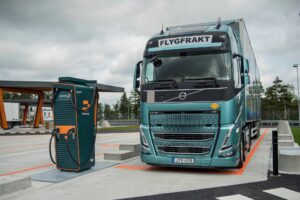
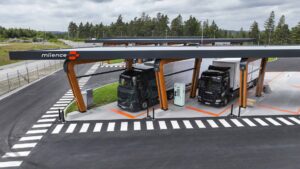
The rollout of public charging infrastructure is progressing rapidly with close to 1.800 truck suitable charging points available along major freight corridors. Milence currently operates 33 charging hubs (221 charging points) across eight European countries, contributing to the foundation for long-haul electric transport.
However, infrastructure deployment remains uneven, and further acceleration, supported by targeted financing and streamlined permitting, is required to enable large-scale electrification.
Total Cost of Ownership (TCO) is improving across key markets
A detailed analysis of Germany, the Netherlands, and Sweden shows that the Total Cost of Ownership (TCO) for electric trucks is becoming increasingly competitive:
- In the Netherlands, eHDVs already achieve cost advantages in several use cases
- In Germany, full toll exemptions provide strong and predictable economic incentives
- In Sweden, low electricity prices support electrification, though additional operational incentives are needed for long-haul applications
Looking ahead, the EU’s ETS II will further strengthen the long-term business case for electric trucks by increasing the cost of fossil fuels.
Closing the gap: scaling proven solutions across Europe
Europe does not face a technology gap, but a policy gap. Frontrunner markets have already demonstrated that electric trucks can be commercially viable under the right conditions, while many other Member States still lack a coherent policy framework. The absence of effective toll differentiation, limited financial support and slower infrastructure rollout continues to delay adoption.
What sets leading markets apart is a consistent combination of demand-side incentives, strong operational cost advantages and reliable charging infrastructure. Scaling this proven policy mix across Europe is now essential. Without faster alignment, Europe risks a multi-speed transition that could undermine cross-border logistics and slow decarbonisation. The path forward is clear: replicating what works in frontrunner markets is key to accelerating a truly European electric freight market.
“Electric road freight is not only central to decarbonising transport, it is also a strategic pillar of Europe’s broader energy transition and independence. Scaling this market now means reducing reliance on imported fossil fuels while strengthening Europe’s resilience and competitiveness. The technology is ready, the business case is emerging, and the infrastructure is being built. What is needed next is the pace and consistency of policy to scale this transition across all Member States,” said Anja van Niersen, CEO of Milence.