For electric trucks, Europe’s problem is not a shortage of vision, but of implementation.
Decarbonising freight is about more than climate. It’s about competitiveness and Europe’s place in the global economy. When President Ursula von der Leyen declared in her State of the Union that “the future is electric,” she gave voice to Europe’s ambition. But ambition alone is not enough. For heavy-duty transport, the future will only be electric if Europe moves from words to deeds, from planning to execution.
One year ago, Mario Draghi’s competitiveness report offered Europe a clear diagnosis: our challenge is not a lack of ideas, but the speed of implementation. The verdict still holds true. Europe does not need another wave of legislation. It needs to stick to its course, help companies invest, and cut the red tape that slows everything down.
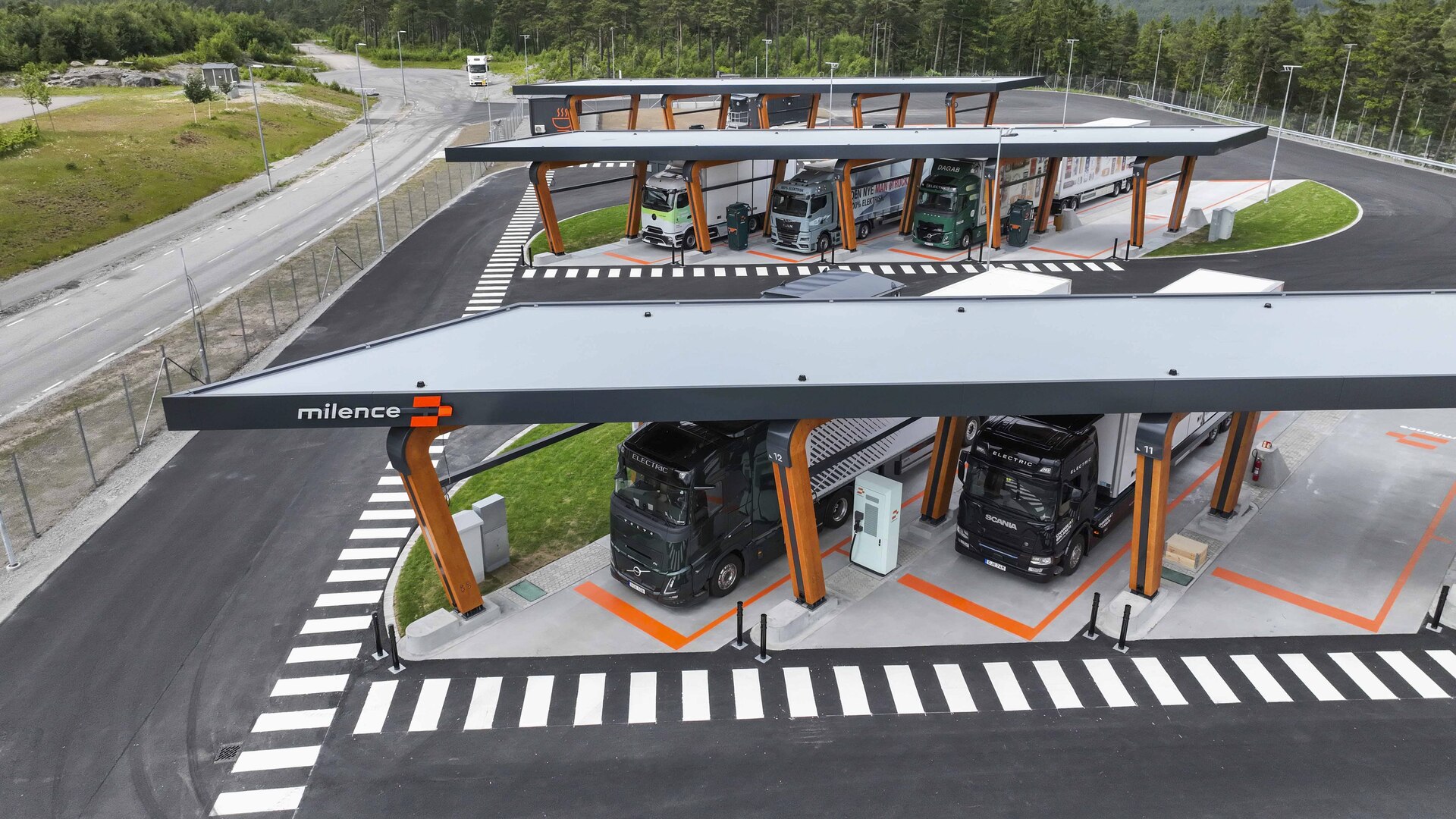
Milence is building Europe’s largest public charging network for heavy duty trucks and in this role, we are proud to represent the voice of our industry in the Strategic Dialogue on the Automotive Action Plan. In those talks, one conclusion became unavoidable: while the debate is often dominated by cars, the real credibility test for Europe’s competitiveness lies with trucks.
Why trucks play a key role
Cars and trucks are too often treated the same. But the way they are purchased, financed, and deployed could not be more different.
Cars are consumer products. People buy them with their hearts, guided by brand or lifestyle. Trucks on the other side, are business tools. Fleet operators buy them with a calculator in hand. Every investment decision is based on cost of ownership, contractual certainty, and risk. By 2030, manufacturers must deliver a 45% reduction in CO₂ emissions compared to 2019 levels. That leaves less than five years to transform the backbone of Europe’s logistics system. Trucks are therefore a real climate and competitiveness test for Europe.
Progress is real, but it’s not enough
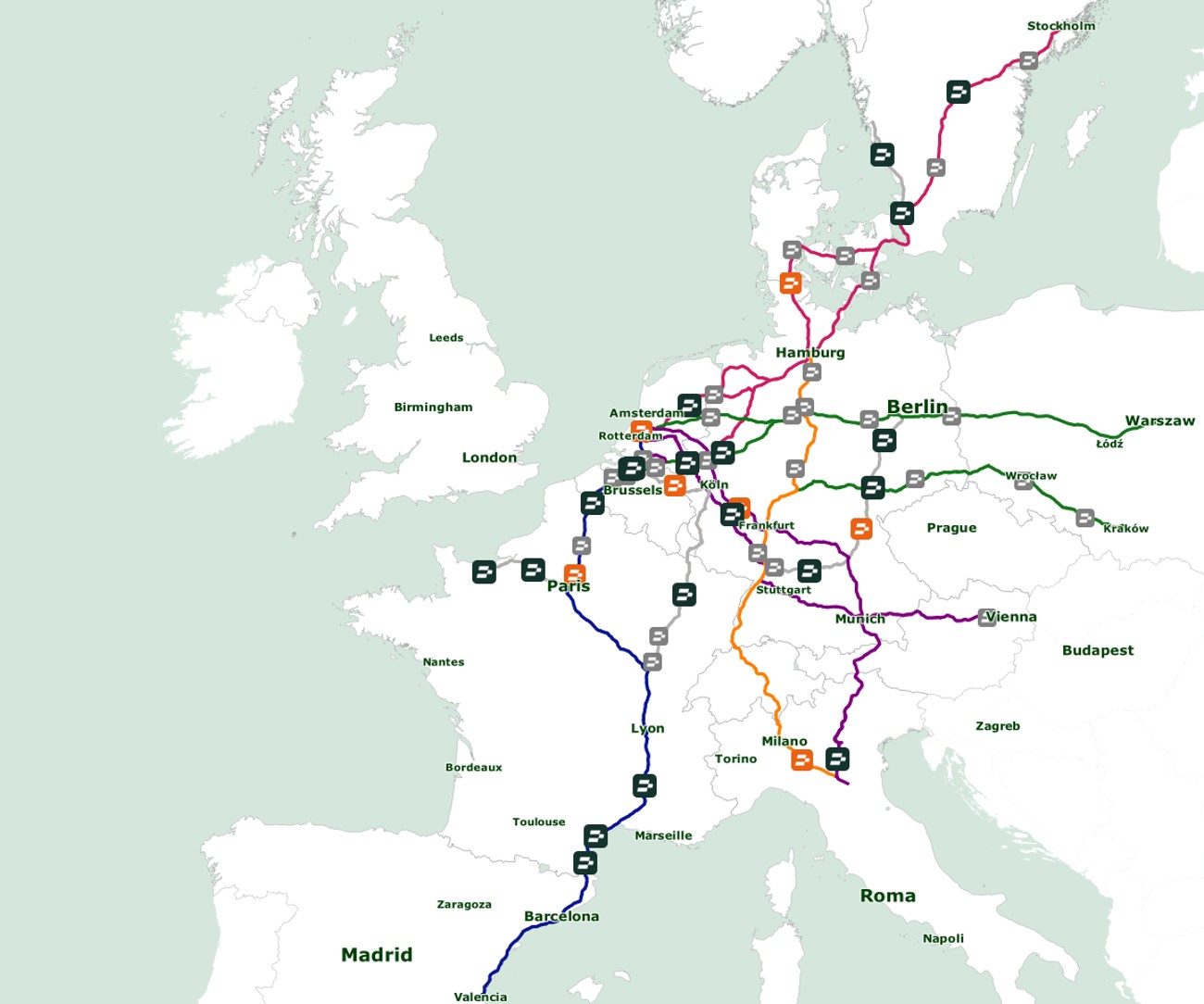
Encouraging progress has been made. Across Europe, more than 1,100 truck-dedicated public charging connectors are already operational.
Yet the challenge now is to scale. Meeting the 2030 target requires a tenfold expansion and an estimated €10 billion investment in public charging.
The technology is there, the trucks as well so what holds us back is not engineering but a real financing gap. Truck charging hubs face high upfront costs and uncertain utilization in their first years. Infrastructure must be built before fleets switch, leaving operators exposed to two to three years of low demand.
At the same time, fleet operators struggle with the high purchase price of electric trucks and the lack of long-term freight contracts to underpin financing.
The result is a vicious circle: no infrastructure, no fleets and no fleets, no infrastructure. The Draghi report warned about Europe’s inability to get capital into strategic sectors quickly enough. This exactly what we are witnessing today in electric freight.
De-risking for acceleration
Breaking this pattern requires a new approach: support implementing the solutions already identified. Europe must now focus on de-risking investments across the e-logistics value chain.
That means:
- An EU guarantee mechanism for private and commercial finance into infrastructure to ensure 2 years ahead of market deployment, covering the market risk.
- Financial CO2 reduction incentives for shippers and bankable contracts for fleet operators
- Lower TCO through road toll exemptions, CO₂ pricing & vehicle finance support
- Priority permitting & grid access for Clean Transport Corridors
Rapid execution, before the end of 2025, will be key as this is about Europe’s ability to compete with regions that can act faster.
A strategic importance
Electrifying road transport is not only about climate. It is also about competitiveness, innovation and resilience. Trucks keep Europe’s single market alive. It connects ports, airports and entire supply chains. Dependence on diesel leaves this backbone exposed. The Draghi report was clear: Europe must act with urgency in strategic sectors. Electric freight is one of them. If Europe acts, the payoff will be signficatn: jobs, energy independence, and industrial leadership.
The time to act is now:
The 2030 truck target is a decisive moment. If we succeed, the Automotive Action Plan will demonstrate that Europe can combine climate ambition with industrial strength, enabling both the European climate agenda and the truck industry to thrive. If we fail to act with the urgency required, the transition risks stalling, with severe consequences for the European truck industry.
Milence is investing, building, and innovating to create the backbone of Europe’s zero-emission freight network. But success depends above all on urgent delivery. Europe’s challenge is not a lack of vision, but a lack of implementation.
What next?
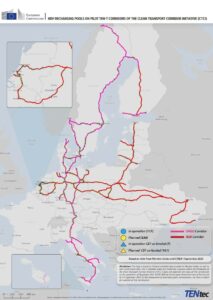
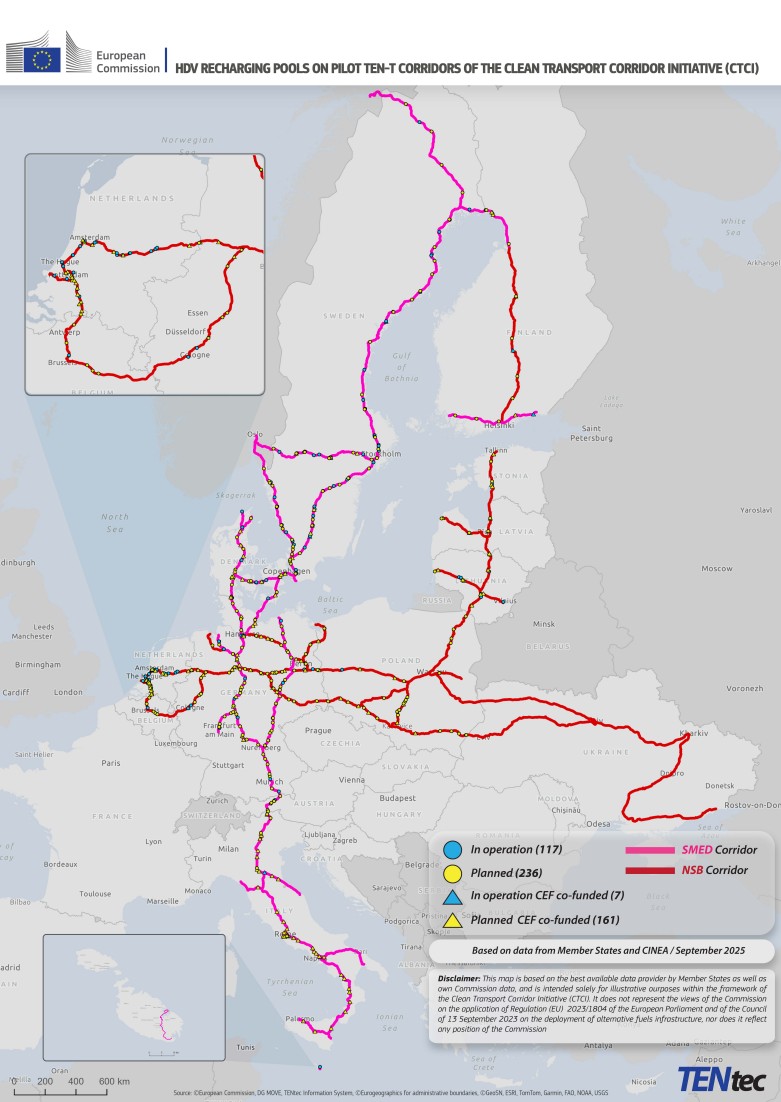
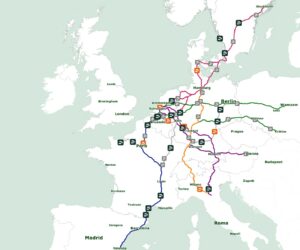
The key now is implementation. Initiatives like the Clean Transport Corridors which will start with the Scandinavian-Mediterranean and North-Sea Baltic Corridors represent a good test case, but they must be delivered not only at EU level but also by Member States: fast-tracking grid access, streamlining permits, adapting zoning rules, and leveraging both EU and private financing. These steps will provide the accelerators Europe’s transition urgently needs.
Everyone agrees the future is electric. Road transport carries a strategic weight that can allow Europe to lead. Now is the moment to ensure it does.